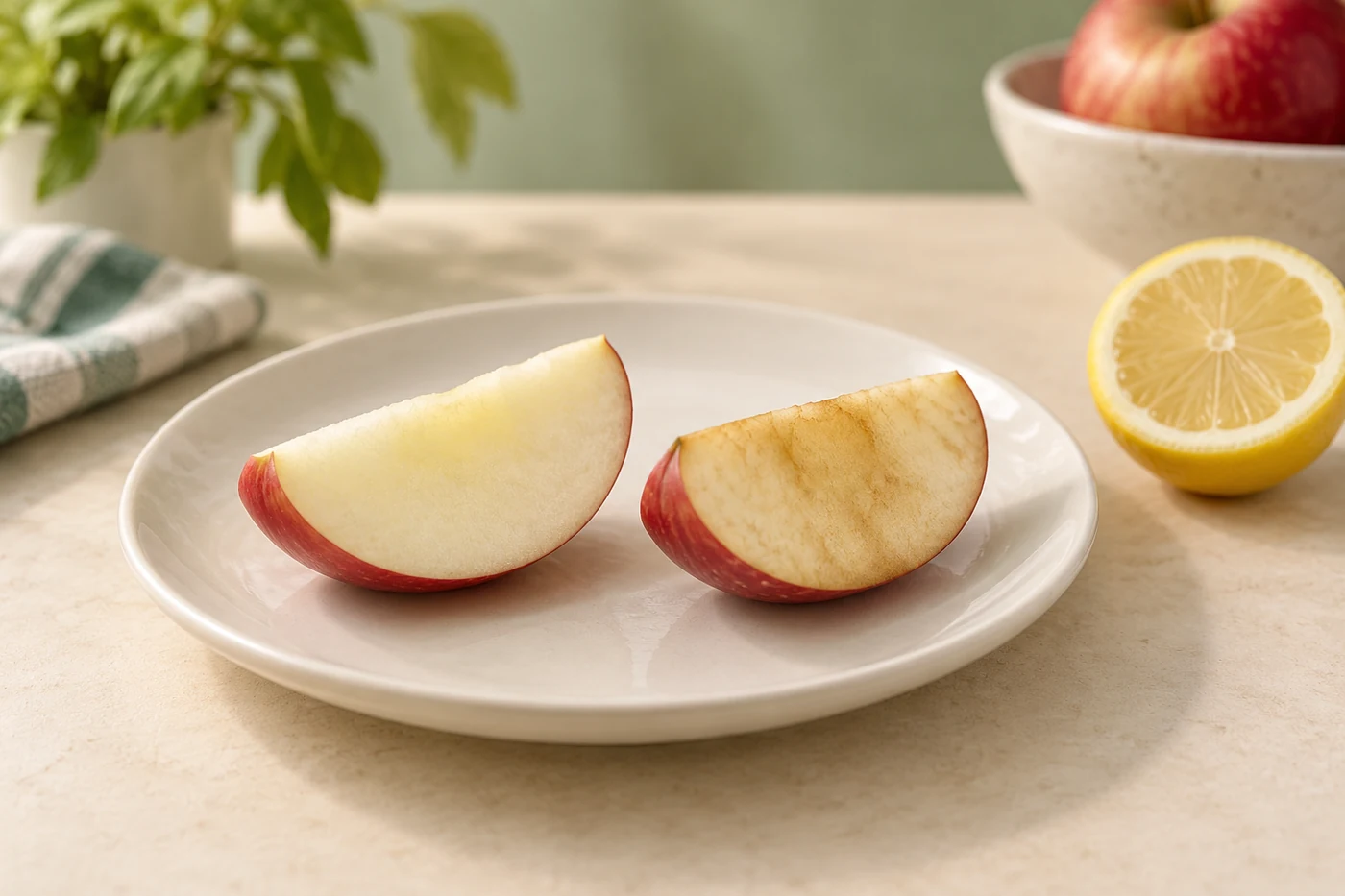
Cutting damages apple cells. An enzyme helps certain substances in the apple react with oxygen. Further reactions produce brown pigments. This process is called enzymatic browning.
An apple consists of many tiny cells. Cutting opens some of them and changes which substances can come into contact.
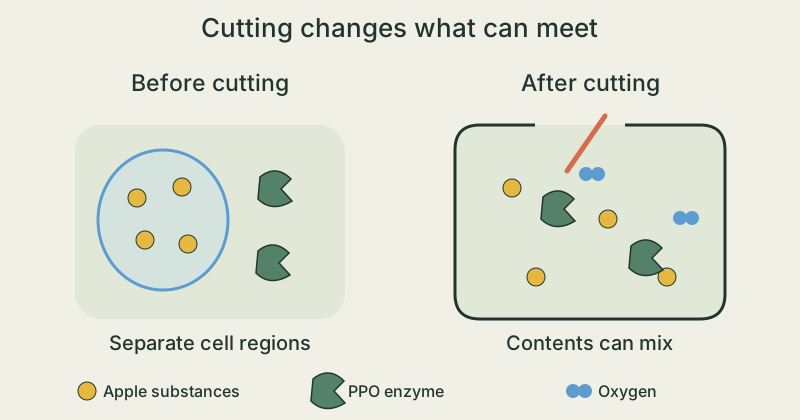
Cutting opens regions inside cells
In undamaged cells, different substances are held in separate regions. Cutting or bruising breaks some of these barriers, allowing the contents to mix.
Oxygen from the air reaches the exposed surface. It can now take part in reactions with substances from the flesh. That is why browning begins especially at damaged spots.
An enzyme speeds up the reaction
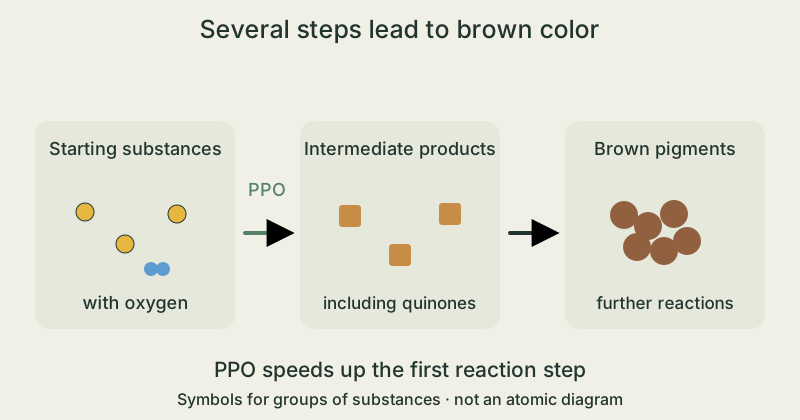
Enzymes are tiny helpers for chemical reactions. One in apples is polyphenol oxidase, or PPO. It speeds up the reaction of oxygen with certain phenolic substances already present in the apple.
The first products include compounds called quinones. Further reactions turn these into brown pigments. The visible color is the result of several steps.
What can change the speed?
Lemon juice changes the acidity at the surface. This can slow the enzyme reaction. How well a treatment works depends on its composition and how long it remains in contact, among other factors.
Apple variety, temperature and damaged surface area also affect the process. There is no single browning time to expect. The comparison below tests lemon juice as a whole; it does not separate the effects of its individual ingredients.
Compare three apple wedges
- Ask an adult to cut three wedges of similar thickness from the same apple. Prepare three plates labeled “untreated,” “water” and “lemon juice.” Use room-temperature water and plain lemon juice.
- Leave one wedge untreated. Dip the cut surfaces of the second in water for about 30 seconds, and those of the third in lemon juice for the same time. Place them on their plates. Start as close together in time as possible and set the plates side by side.
- Record the color at the start and every ten minutes for up to an hour, under the same lighting. Which surface changes most? Compare the juice sample with the water sample too. If the difference is small, record that as well: observations do not have to match a particular expectation.
An adult should do the cutting on a stable board. Use only water and food-grade lemon juice; keep juice away from eyes. Do not eat the experiment samples, and wash your hands afterward.
The takeaway
Damaged apple cells let substances mix. With oxygen and the enzyme PPO, a series of reactions produces brown pigments.
What helps trigger rapid browning at a cut surface?
Sources & further reading
American Chemical Society · Slowing Apple Browning ↗University of Wisconsin–Madison · Why do apple slices turn brown? ↗Cornell University · Mengxia Zhang: MYB73 Negatively Regulates Both Peel Color Development and Flesh Browning in Apple (Dissertation, 2021) ↗USDA Agricultural Research Service · Effects of Dipping Treatments on Color Stabilization and Quality of Apple Cubes (Abstract) ↗Our stories explain the main idea in our own words. Pictures and models simplify reality and are not drawn to scale.